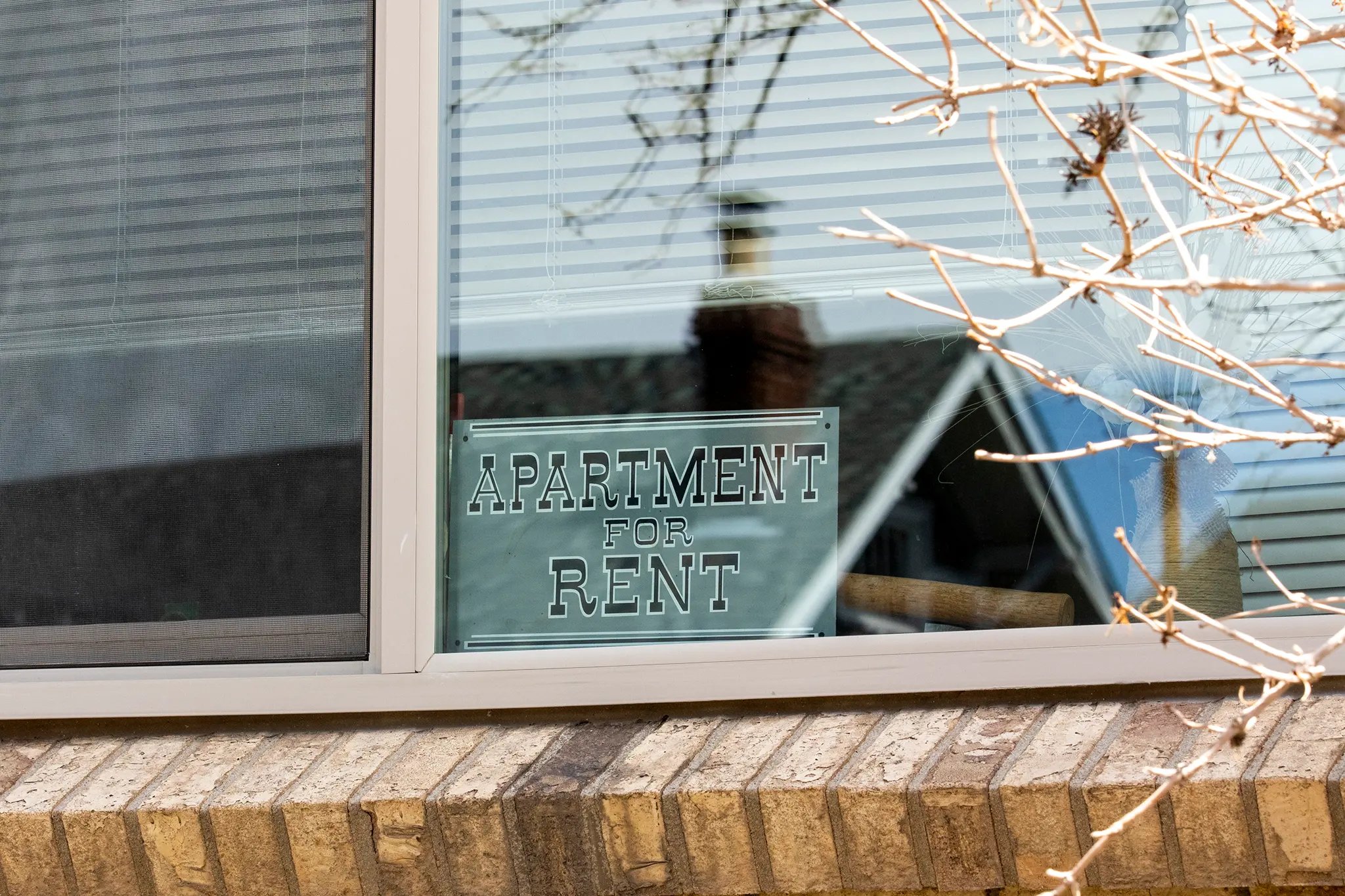
Pick Up the Phone. Your Landlord Is About to Raise Your Rent.
Pick up the phone. Yes, right now. I know you don't want to. I know the idea of calling your landlord makes your stomach do that thing where it tries to leave your body through your throat. But I'm serious. Put down the coffee. Step away from the spreadsheet. Pick up the phone.
I spent ten years as a financial counselor in Denver. I've sat across from 2,400 families and watched them make the same mistake: they accept the rent increase letter like it's a weather report. Something that happens to them. Something they can't control. And I'm here to tell you that's a lie. You can negotiate your rent. You should negotiate your rent. And in Denver's current market — where inflation is 4.2% and the average two-bedroom just hit $2,400 — you absolutely have to.
My client Elena did it last month. She'd been renting a one-bedroom in Capitol Hill for three years. Her lease renewal came with a $280 increase. From $1,850 to $2,130. That's a 15% jump. She called me crying. "I can't afford it. But I can't afford to move either."
I told her what I'm telling you. Call them. Not email. Call. And say exactly this: "I've been a reliable tenant for three years. I've never missed a payment. I've never had a complaint. I'm asking you to reconsider the increase because I want to stay, but I can't absorb a 15% jump. Would you be willing to meet in the middle?"
She called. She was shaking. She read the script off a sticky note. And you know what? They dropped the increase to $120. She saved $1,920 over the next year with a five-minute phone call. Five minutes. That's $384 per minute. I don't know about you, but I don't make that kind of money doing anything else.
Here's the thing about landlords in Denver right now. Yes, they can raise rents. The market supports it. But vacancy rates are climbing — slowly, but climbing. A reliable tenant who pays on time and doesn't destroy the property is worth something. It's worth more than the extra $160 a month they might get from a new tenant who turns out to be a nightmare. Landlords know this. They just hope you don't.
I have another client, Marcus, who tried the same thing. His landlord said no. Flat no. No negotiation. Marcus started looking at other apartments and found a similar unit two blocks away for $50 less than his current rent, even with the increase. He told his landlord he was leaving. Three days later, the landlord called back. "What if we split the difference?" Marcus moved anyway. He was done. But the point is: the power dynamic is not as one-sided as you think.
The psychology of rent negotiation is fascinating. Most people don't do it because it feels confrontational. It feels like asking for a favor. But it's not a favor. It's a business transaction. You're offering reliability and guaranteed income in exchange for a fair rate. That's it. That's the frame. You're not begging. You're negotiating.
I know some of you are reading this and thinking, "My landlord is a corporation. They don't negotiate." And you're right — some don't. But even corporate landlords have retention targets. They have budgets for turnover costs. Cleaning, painting, advertising, vacancy. It costs them $2,000-4,000 to replace you. Use that. Say: "I'm looking at my options, and I want to stay. But I need the increase to be reasonable. Can we discuss it?"
What if they say no? Then you know. Then you can make an informed decision about whether to stay or go. But at least you tried. At least you didn't just accept the letter like a weather report.
Denver's rent market is brutal right now. I won't lie to you. The TABOR refunds dropped to $62 this year, which means that little windfall everyone was using to cushion rent increases is gone. Wages are not keeping up. The 50/30/20 rule is a fantasy for most people I work with. Housing is eating 40, 45, sometimes 50% of income. And when the rent goes up 15%, something else has to give.
I've watched families cut groceries. I've watched them skip dental appointments. I've watched them drain the emergency fund they spent two years building. And every time, I ask: did you try to negotiate? And every time, they say no. Not because they didn't want to. Because they didn't think they could.
You can. I promise you can. It might not work. But it might. And the cost of trying is a five-minute phone call. The cost of not trying is $1,920 a year. That's math I can do in my head.
So here's my challenge. If you have a lease renewal coming up, or if you just got a rent increase letter, pick up the phone this week. Use the script. Be polite. Be firm. Be willing to walk if you have to. And then tell me what happened. I want to know. I've got 2,400 families in my head, and I want to add your story to the collection.
— Marcus, from a bungalow in the Berkeley neighborhood where the rent is still too high but at least we tried
P.S. Cooper, the labrador, does not care about rent. He cares about dinner. Which is 15% of the household budget, but who's counting?
